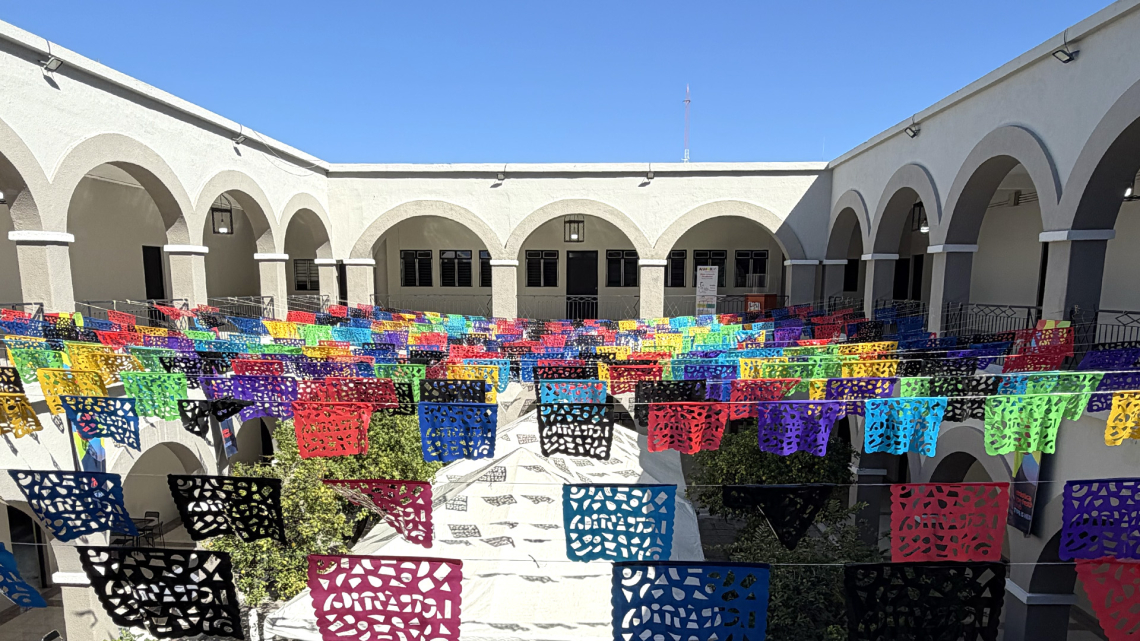
The Joy of Being Together: Letrástica Type Festival 2026

- - Nov 2 2026
From October 21 to 24, Guadalajara once again brought together people from around the world to celebrate typography, design, and letters. An edition filled with ideas, learning, new friendships, and plenty of reasons to celebrate.
Every edition of Letrástica leaves us with something different, but there's one feeling that always returns: the joy of coming together again. Seeing familiar faces who have been part of the festival for years, welcoming first-time visitors, and watching conversations gradually turn into friendships.
This year, we celebrated the sixth edition of Letrástica Type Festival with 206 attendees and more than 40 activities over four days of talks, workshops, exhibitions, and events centered around letters. From October 21 to 24, venues throughout Guadalajara's historic downtown filled with designers, type designers, sign painters, calligraphers, students, and curious minds eager to discover new ways of understanding our practice.
This edition felt particularly special. Not only because of the diversity of its content or the new activities, but also because of the atmosphere throughout the festival. There was so much energy, conversations that seemed to go on forever, reunions, hugs, and an incredible willingness to share.
Ideas That Made Us Think, Question, and Learn
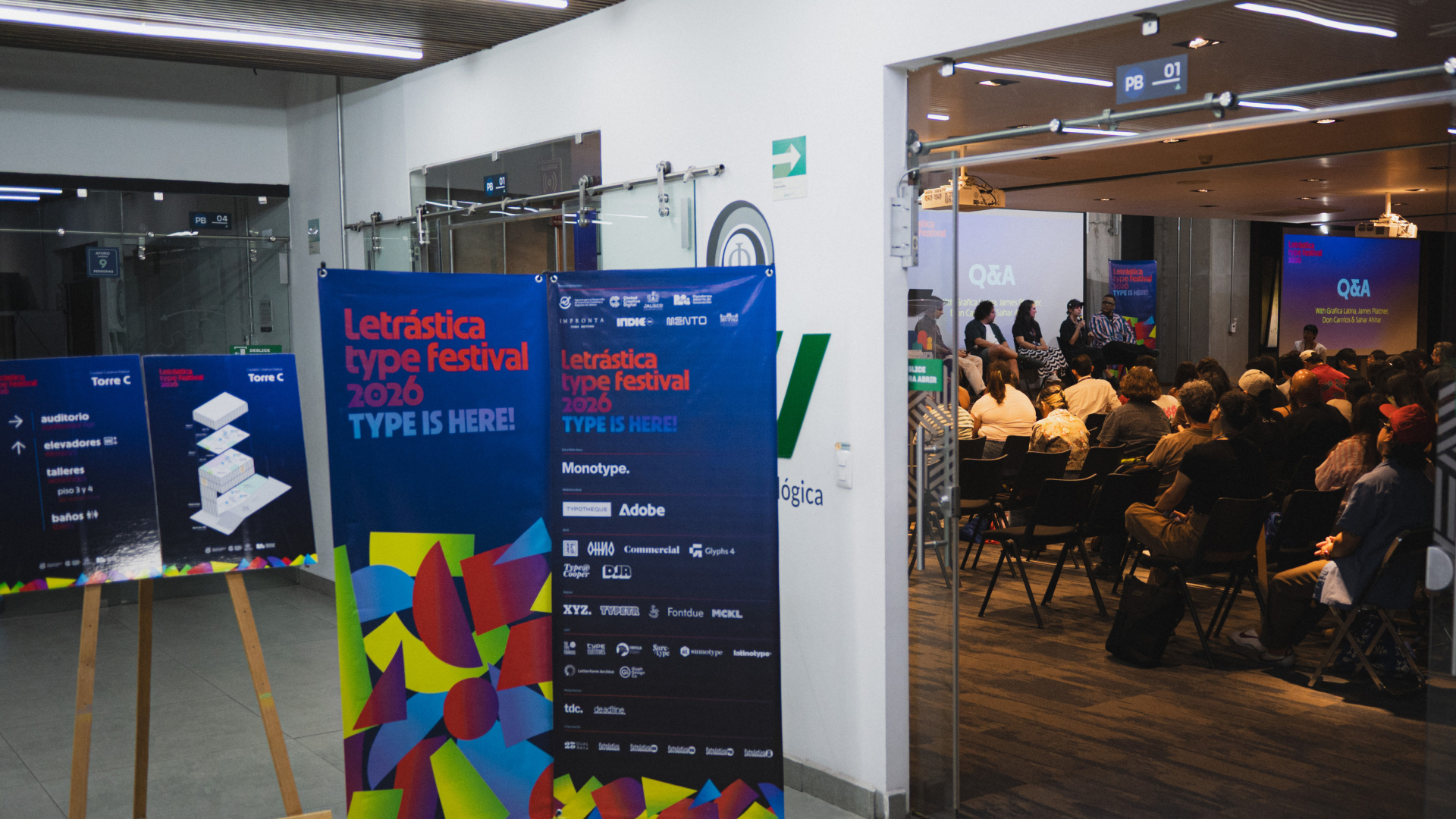 Entrance to the conference auditorium. Photo: Antar Castro.
Our conference program featured twelve talks that explored letter design from very different perspectives. The program took us from history and visual culture to creative processes, from traditional sign painting to questions of identity, technology, and originality.
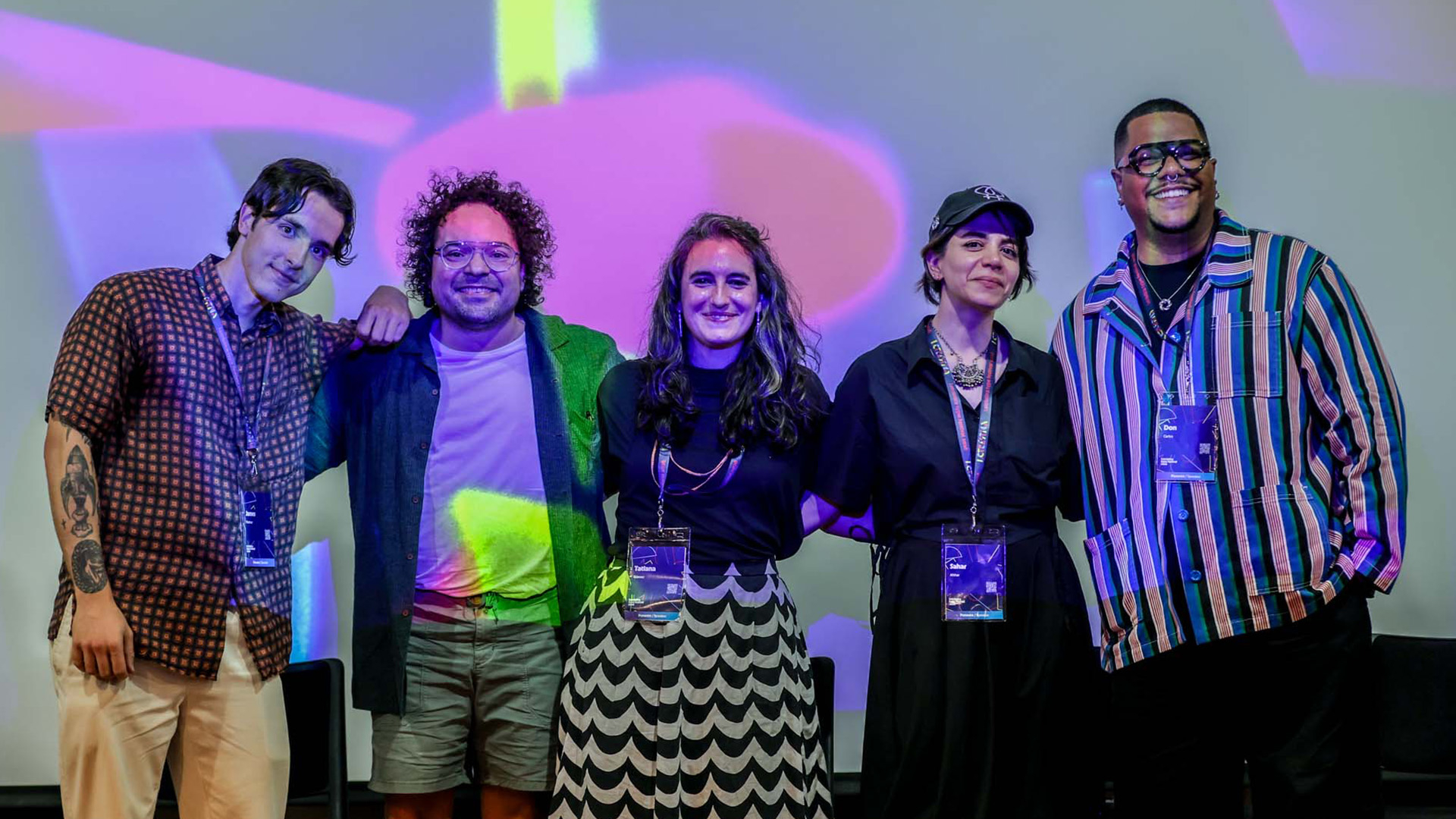 James Plattner, José Menéndez, Tatiana Gómez, Sahar Afshar, and DonCarrrlos. Photo: Mau Noguerón.
Tatiana Gómez and José Menéndez of Gráfica Latina introduced us to the richness of Latin American poster design and the role of letterforms as expressions of identity and resistance. James Plattner offered a playful way of recognizing emotions and human characteristics in typographic forms, while DonCarrrlos shared his graphic universe, personal experiences, and the importance of trusting our intuition.
Sahar Afshar invited us to question what it really means to create something original and to reflect on where our references come from. It was an especially relevant conversation in a discipline that constantly looks to the past to create something new.
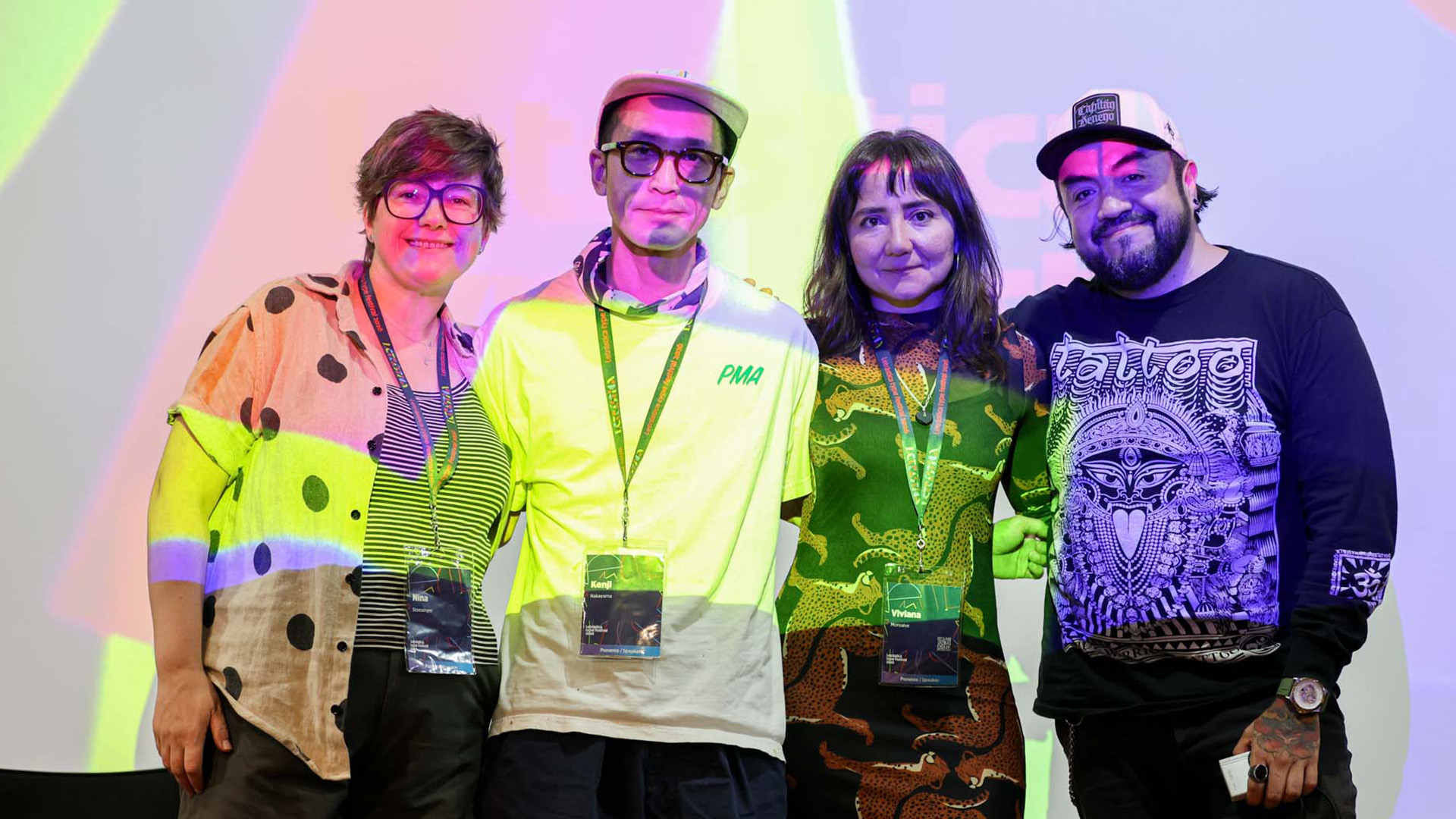 Nina Stössinger, Kenji Nakayama, Viviana Monsalve, and Armando Pineda. Photo: Mau Noguerón.
We also heard Armando Pineda and Kenji Nakayama speak about lettering as a craft, a form of experimentation, and a means of personal expression; Viviana Monsalve reflect on the relationship between typography and power; and Nina Stössinger share how moving between cultural environments can transform the way we see and design.
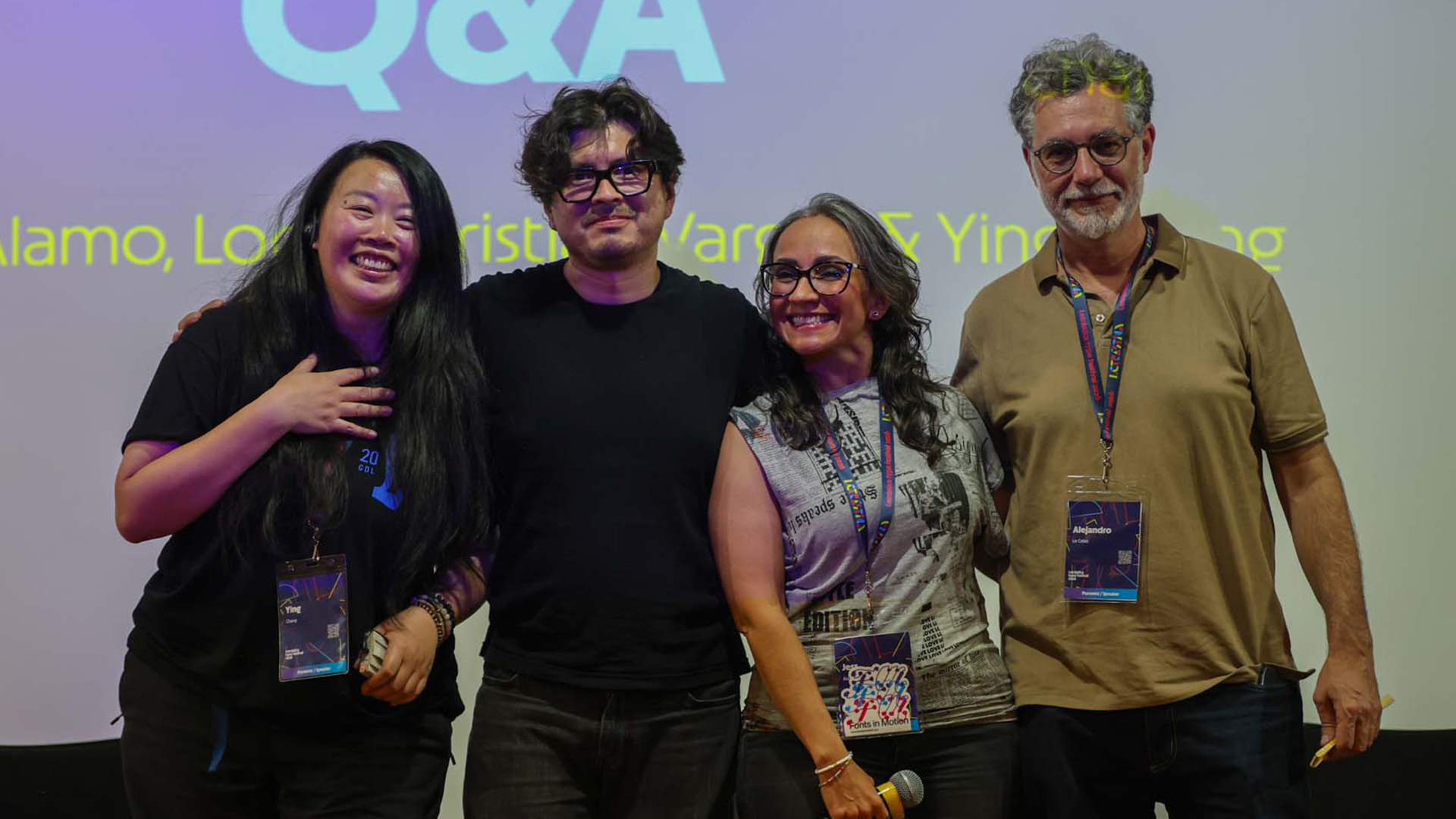 Ying Chang, Cristian Vargas, Jess Álamo, and Alejandro Lo Celso. Photo: Mau Noguerón.
On the final day, we explored the process behind Andreína, presented by Jess Álamo; looked back on 25 years of work and lessons learned by Alejandro Lo Celso at PampaType; and explored the relationship between nature, intuition, and creativity with Cristian Vargas.
Finally, Ying Chang closed the conference program with a deeply personal presentation about finding your own voice, navigating the uncertainties of creative life, and the value of surrounding yourself with people who share your interests and concerns. It was a moving conclusion that resonated beautifully with the spirit of the entire festival.
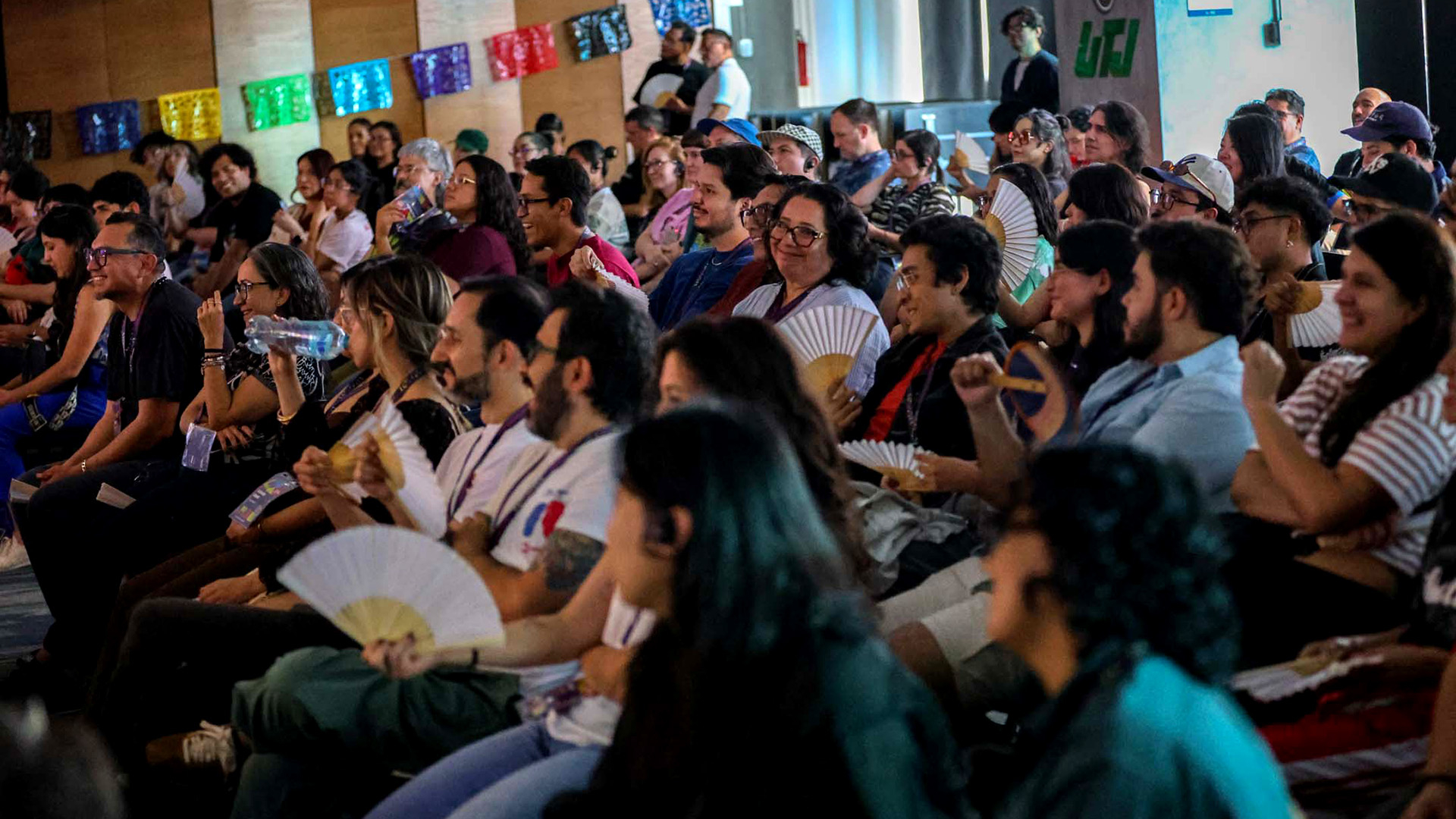 Conference attendees. Photo: Mau Noguerón.
One of the things we love about Letrástica is bringing together such different perspectives. We're not looking for a single way of understanding typography, but rather to open conversations that help us see our work from new angles.
An Open Forum That Keeps Growing
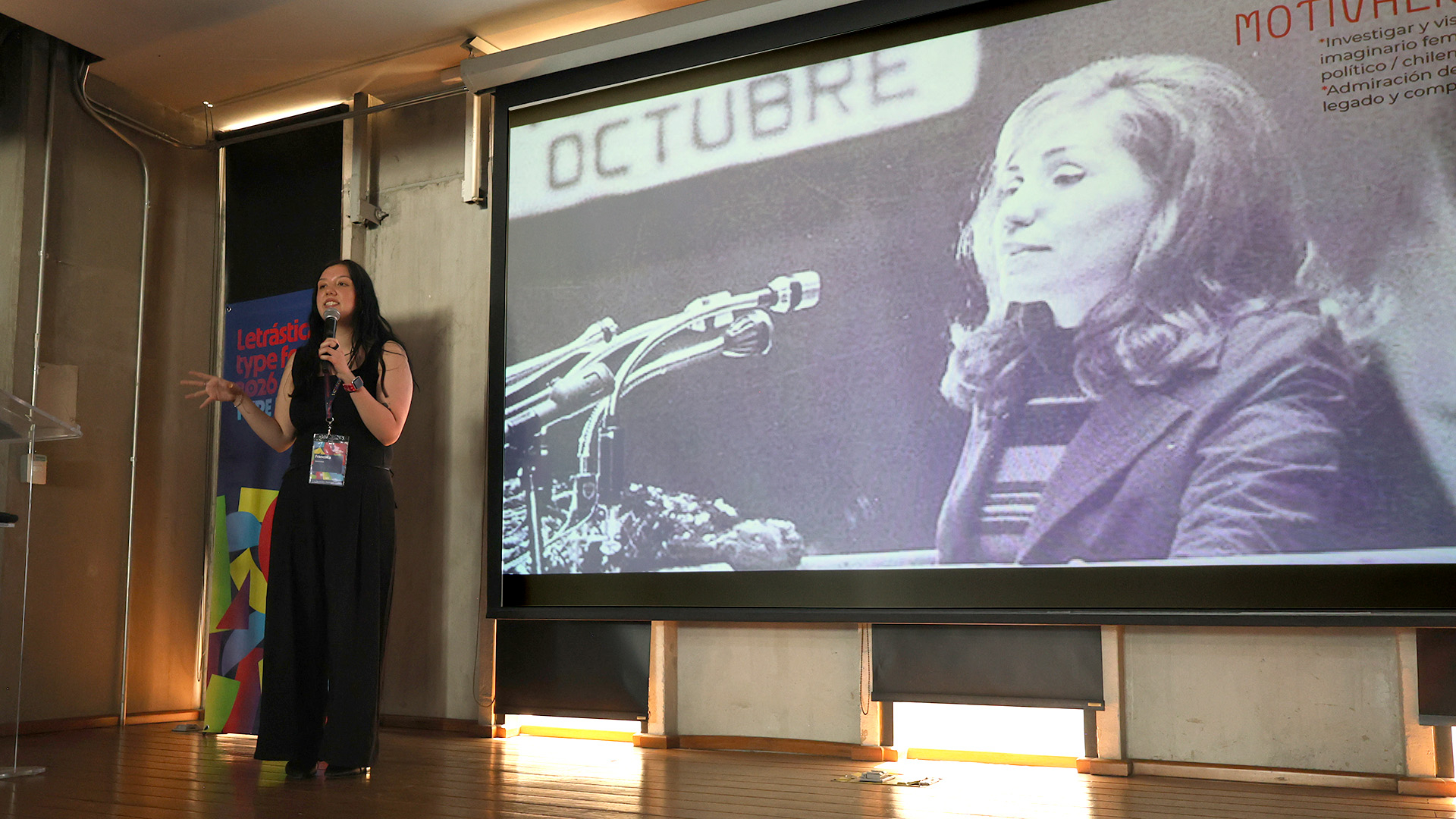 Francisca Zamorano at the Open Forum. Photo: Lorena Ortega.
One of our greatest joys this year was receiving a record number of applications for our Open Forum.
What began as a complementary activity has become a very important part of the festival. This year, we expanded the program to 16 presentations across two days, featuring a wide variety of projects, experiences, and research.
The short presentation format allows us to hear many voices, discover ideas that might not find a place in a traditional conference program, and learn about the work of people just beginning their careers alongside that of experienced professionals.
We're especially excited to see how much interest in participating has grown. We've always wanted Letrástica to be a place where people can share what they do, regardless of their experience or professional recognition. Seeing the Open Forum filled with ideas and people eager to listen to one another reminds us why it's worth continuing to support this space.
Learning Is Also About Coming Together
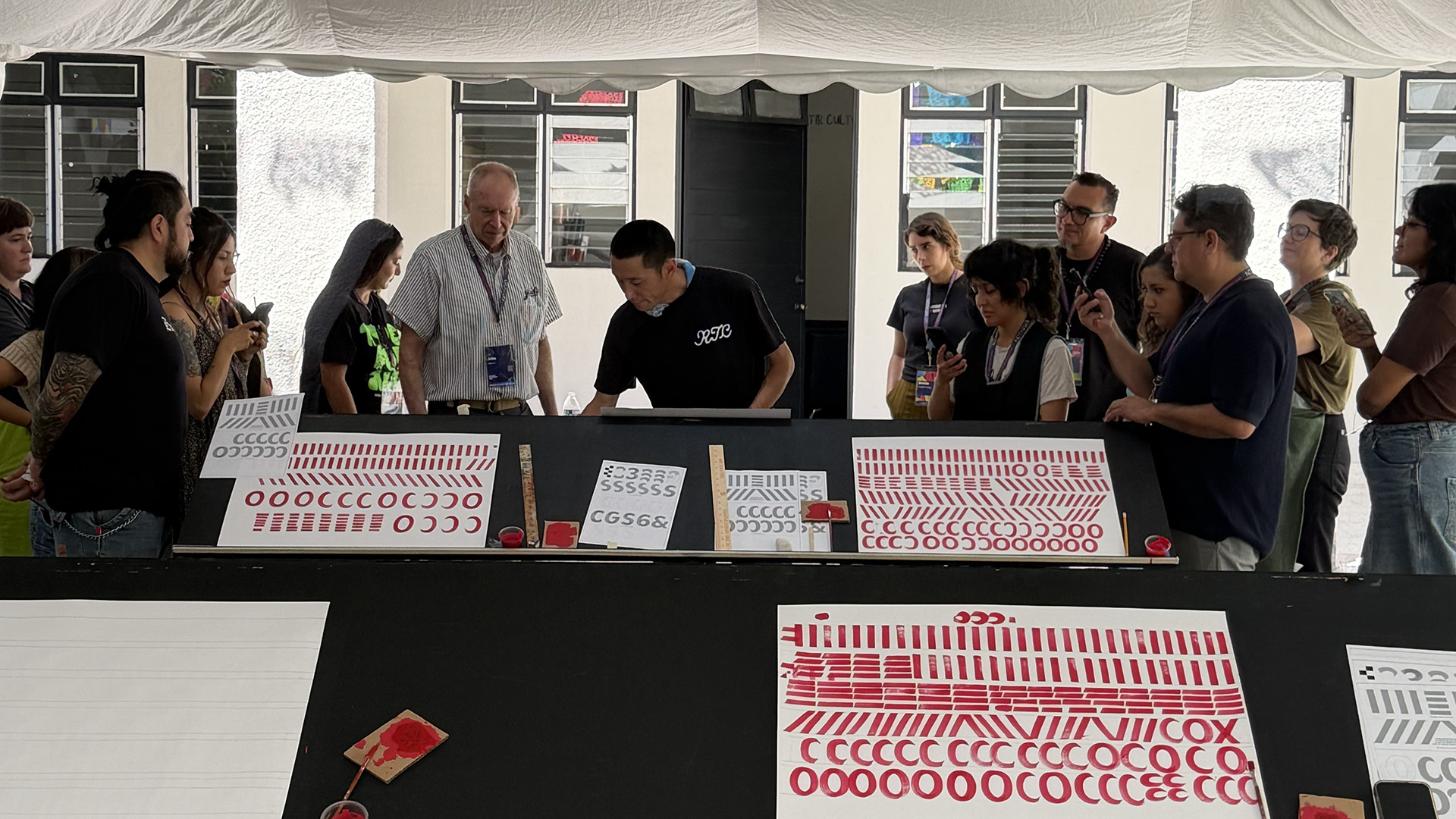 Sign painting workshop with John Downer and Kenji Nakayama. Photo: Gen Ramírez.
On Thursday and Friday mornings, workshops offered the opportunity to work closely with professionals from different disciplines. There were brush lettering and sign painting sessions with John Downer and Kenji Nakayama, a lettering workshop with Ying Chang, a type design clinic with Alejandro Lo Celso, a font production workshop with José Solé, and a workshop on creative processes using AI with Mento.
One of the most wonderful things about these activities is seeing people with very different levels of experience sharing the same worktable. Some pick up a brush for the first time, while others arrive with advanced projects and very specific questions. Yet everyone finds something to learn from the people around them.
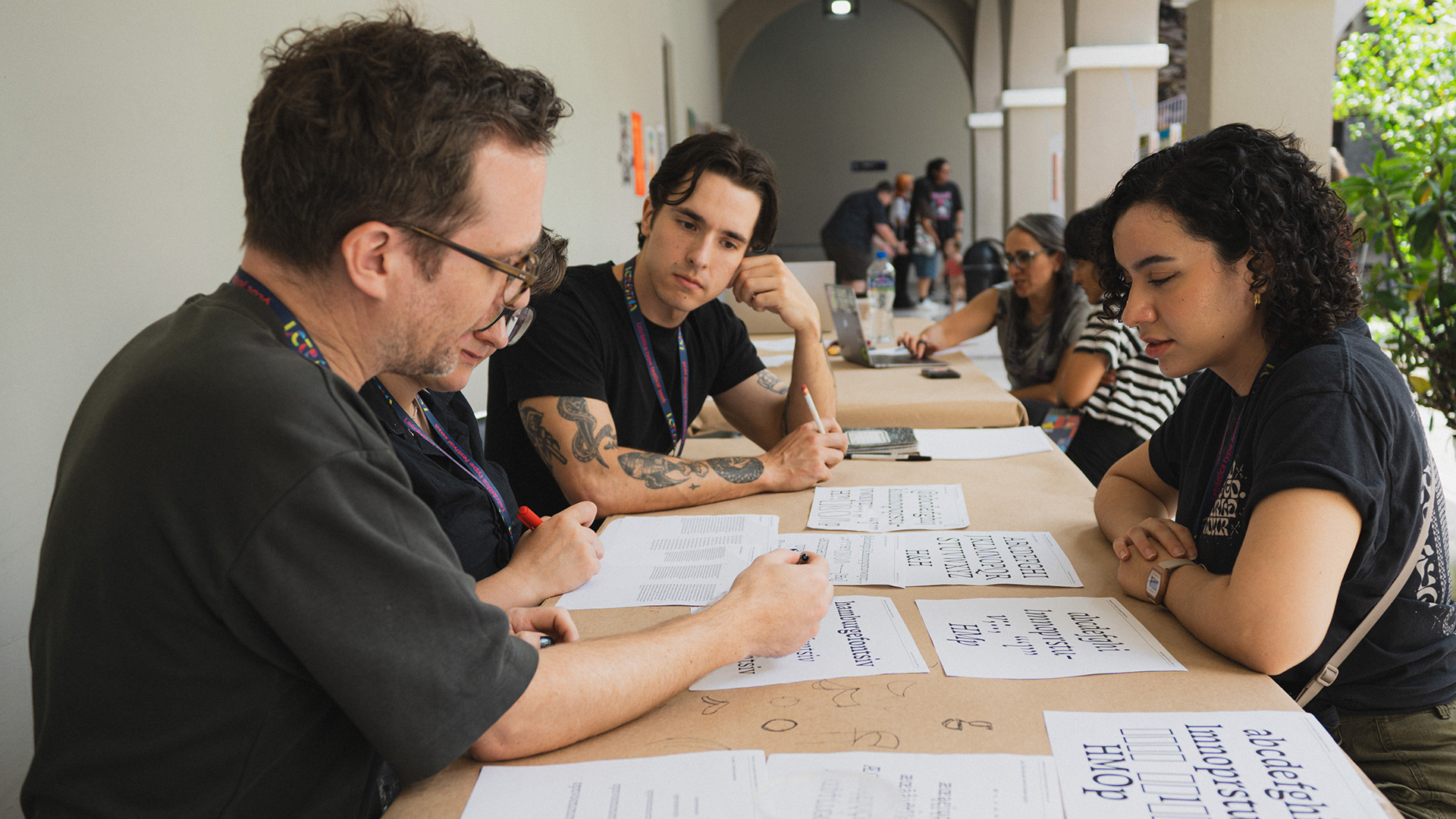 José Solé, Nina Stössinger, James Plattner, and Jess Álamo during the type design project reviews. Photo: Antar Castro.
The festival also featured project reviews with Nina Stössinger, José Solé, Jess Álamo, and James Plattner; calligraphy and lettering demonstrations with Armando Pineda and Kel Troughton; and opportunities to connect directly with those sharing their knowledge. These are experiences we want to keep encouraging because they make professional practice feel more personal, generous, and accessible.
Opening the Doors to More People
This year, we achieved something we're incredibly proud of: we awarded 30 festival scholarships thanks to the support of our institutional partners and sponsors.
We'd especially like to recognize Type@Cooper, PLAi, and Ciudad Creativa Digital for their involvement in these initiatives, as well as the Ancho Scholarship, created to support design students from public universities in Mexico.
We also awarded five workshop scholarships, including support through the Ancho Scholarship and Cecilia del Castillo.
To us, these scholarships mean much more than free admission. They represent opportunities to learn, meet new people, present projects, and become part of a professional network that can open new doors.
We know that traveling, paying for admission, or taking part in educational activities isn't always within everyone's reach. That's why we believe the festival's growth should also mean creating opportunities for people who might otherwise be unable to join us.
Letters Took Over the City
Exhibitions were another special part of this edition.
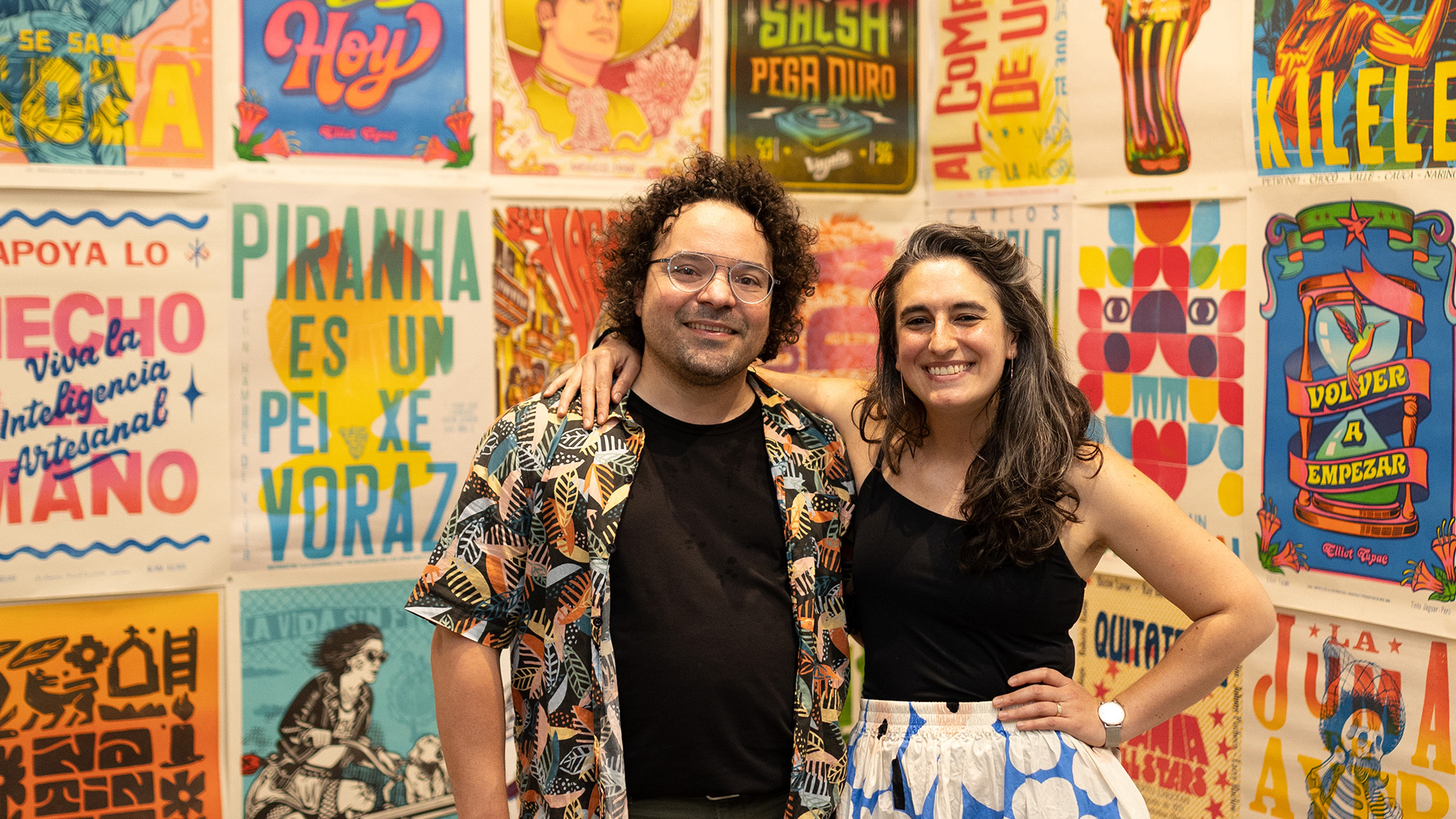 José Menéndez and Tatiana Gómez at the opening of La letra tiene tumbao'. Photo: Rafaela Vargas.
We kicked things off on Wednesday with the opening of La letra tiene tumbao', an exhibition by Gráfica Latina at Impronta Casa Editora. The exhibition brought together a selection of Latin American posters that offered a glimpse into the stories, cultural expressions, and social movements of our region through letterforms.
It was a wonderful way to begin the festival: surrounded by posters, printed matter, friends, and people reconnecting after not seeing each other for a long time.
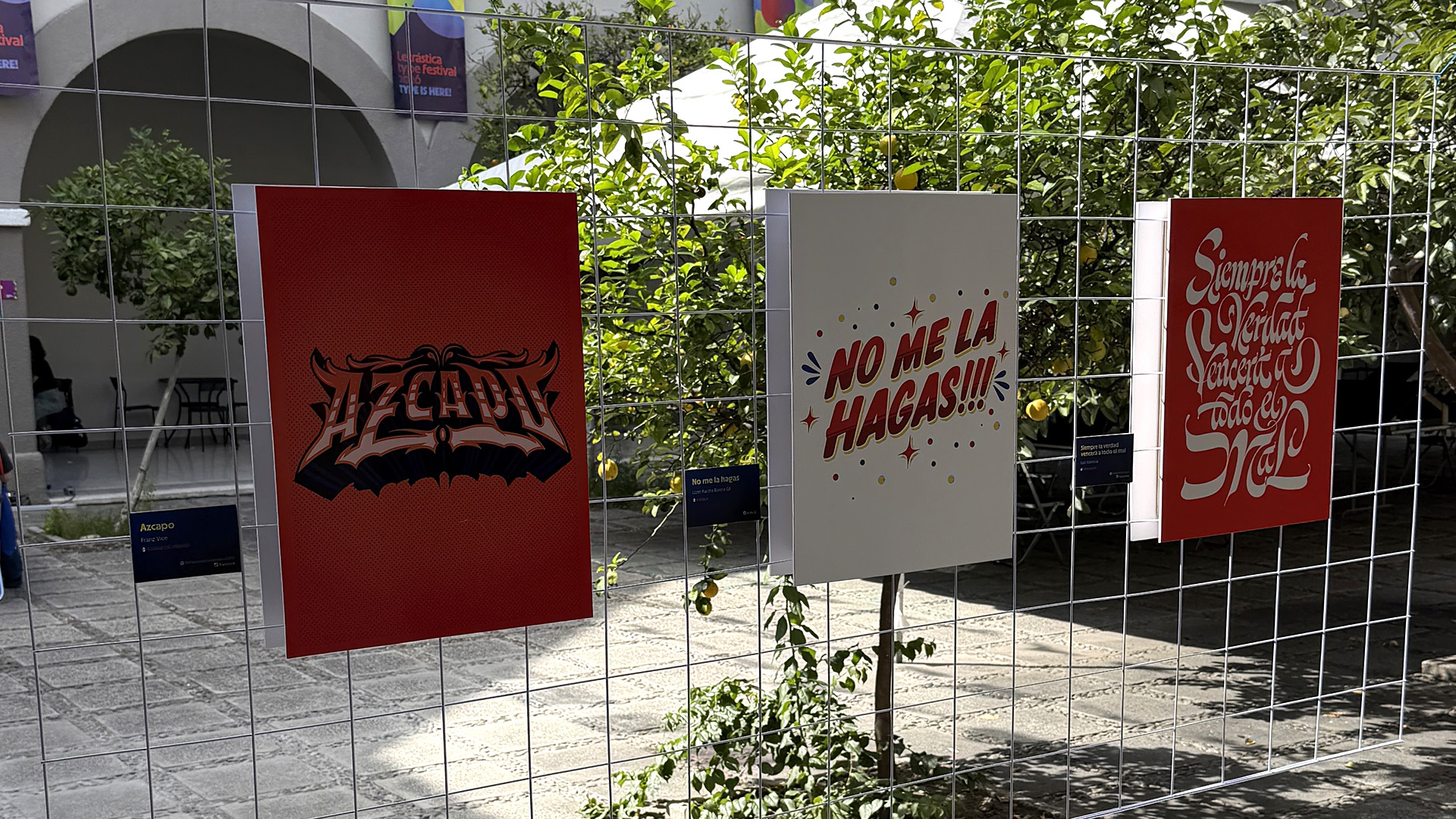 A view of the Letrástica Collective Exhibition. Photo: Mau Noguerón.
The following day, we opened the Letrástica Collective Exhibition at Indie 100, featuring works selected from our open call, which received 53 submissions from 11 countries. The diversity of the pieces revealed different approaches to typography, lettering, and graphic experimentation.
We also presented a special exhibition by Mento, bringing new perspectives on the connections between letters, design, and visual expression.
We're happy that these exhibitions allow us to share the work of so many people and bring the festival into other spaces throughout Guadalajara.
And, of Course, There Was Plenty of Celebrating
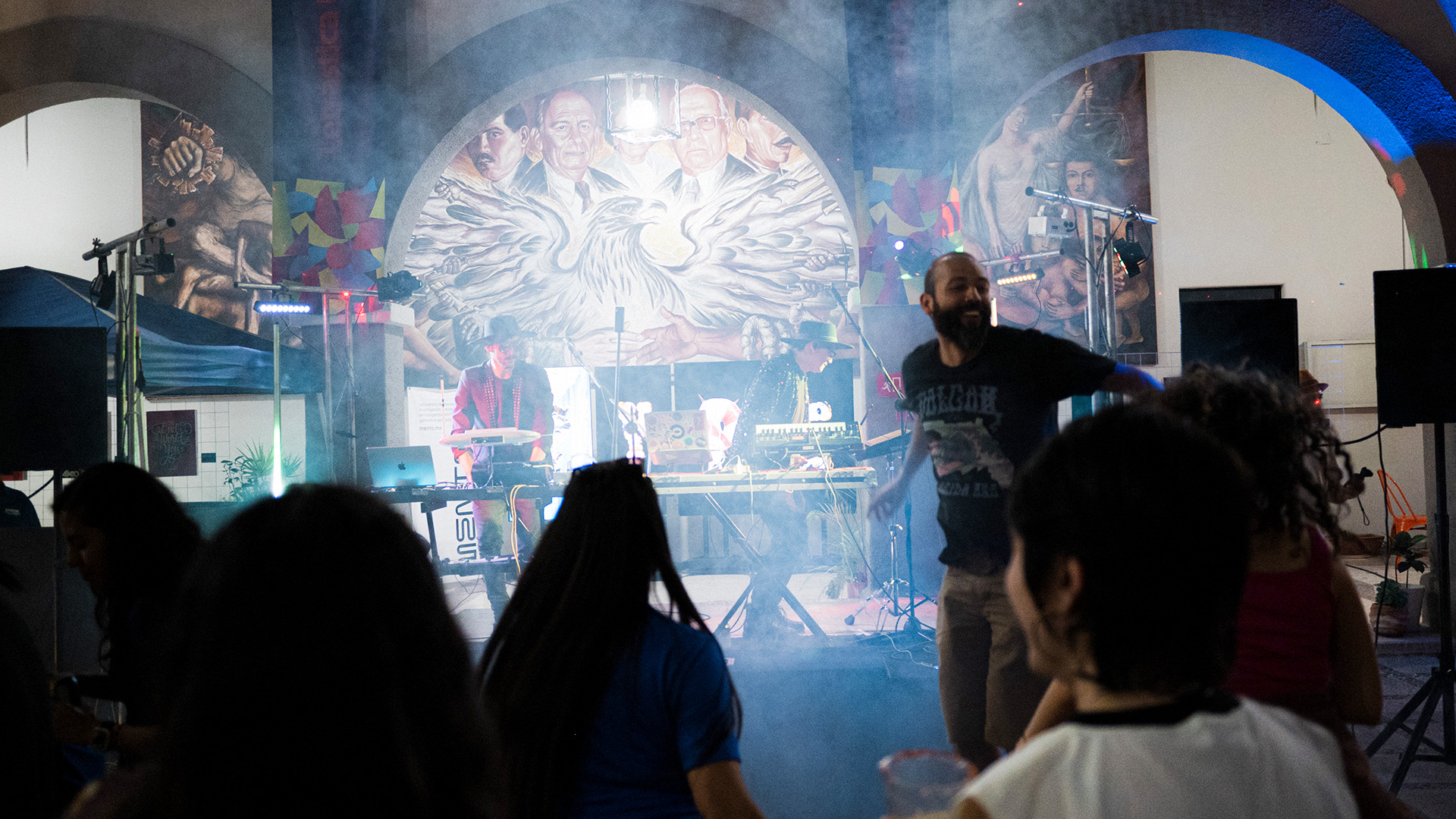 Kid Kobayashi in action. Photo: Antar Castro.
If there's one thing that defines Letrástica, it's that the experience doesn't end when the projectors turn off.
So much of what we remember happens during breaks, over meals, walking between venues, or extending a conversation late into the night. These spontaneous moments are where experiences are shared, collaborations begin, and friendships take shape.
This year, we hosted a night of electronic music with Kid Kobayashi that turned into a wonderful celebration. We danced, laughed, and enjoyed seeing so many people connecting outside the usual conference setting.
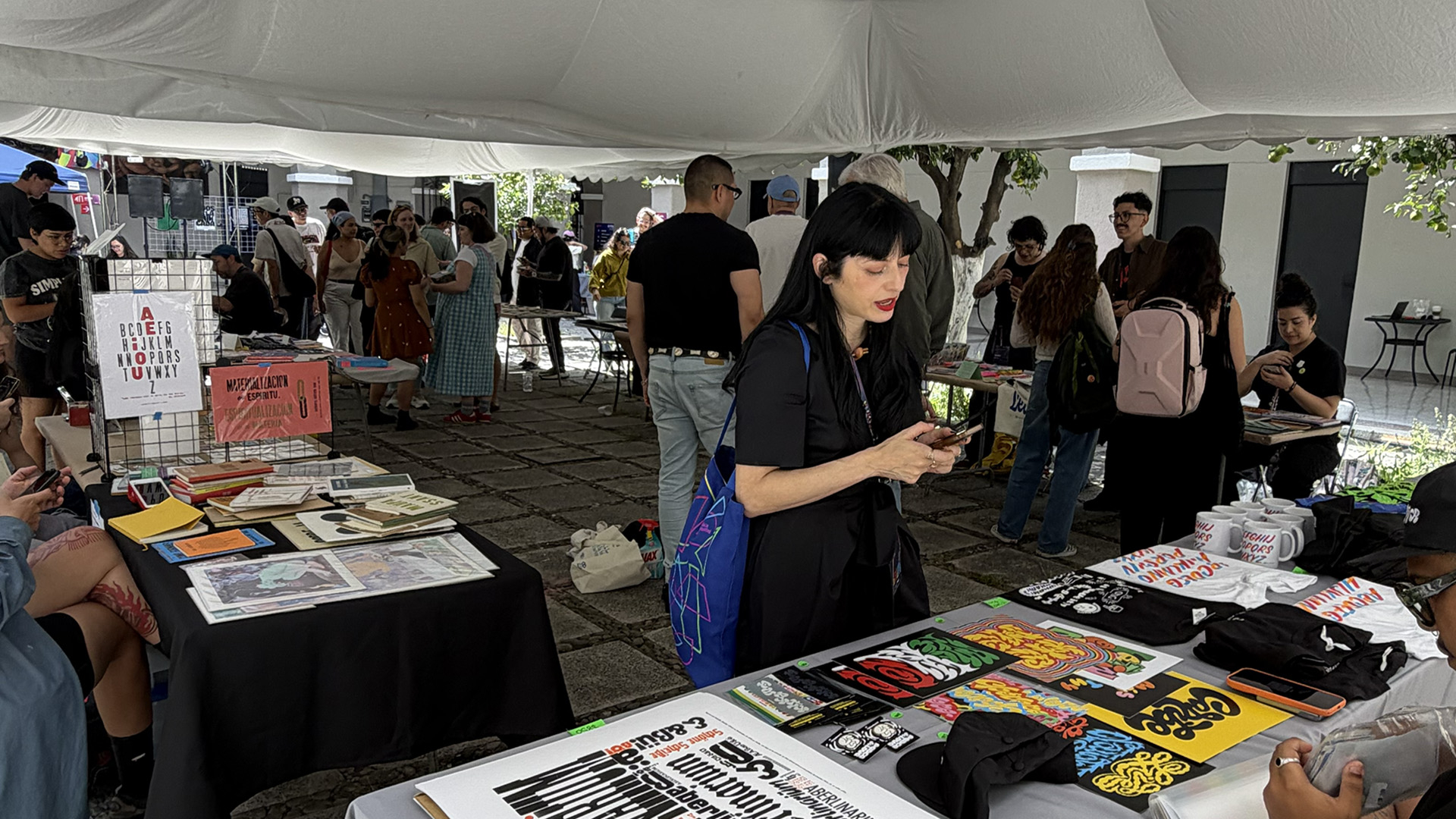 Community Market. Photo: Gen Ramírez.
On Saturday, our Community Market brought together members of the community sharing publications, posters, objects, and independent projects. There were also calligraphy and lettering demonstrations, project reviews, and activities open to the public.
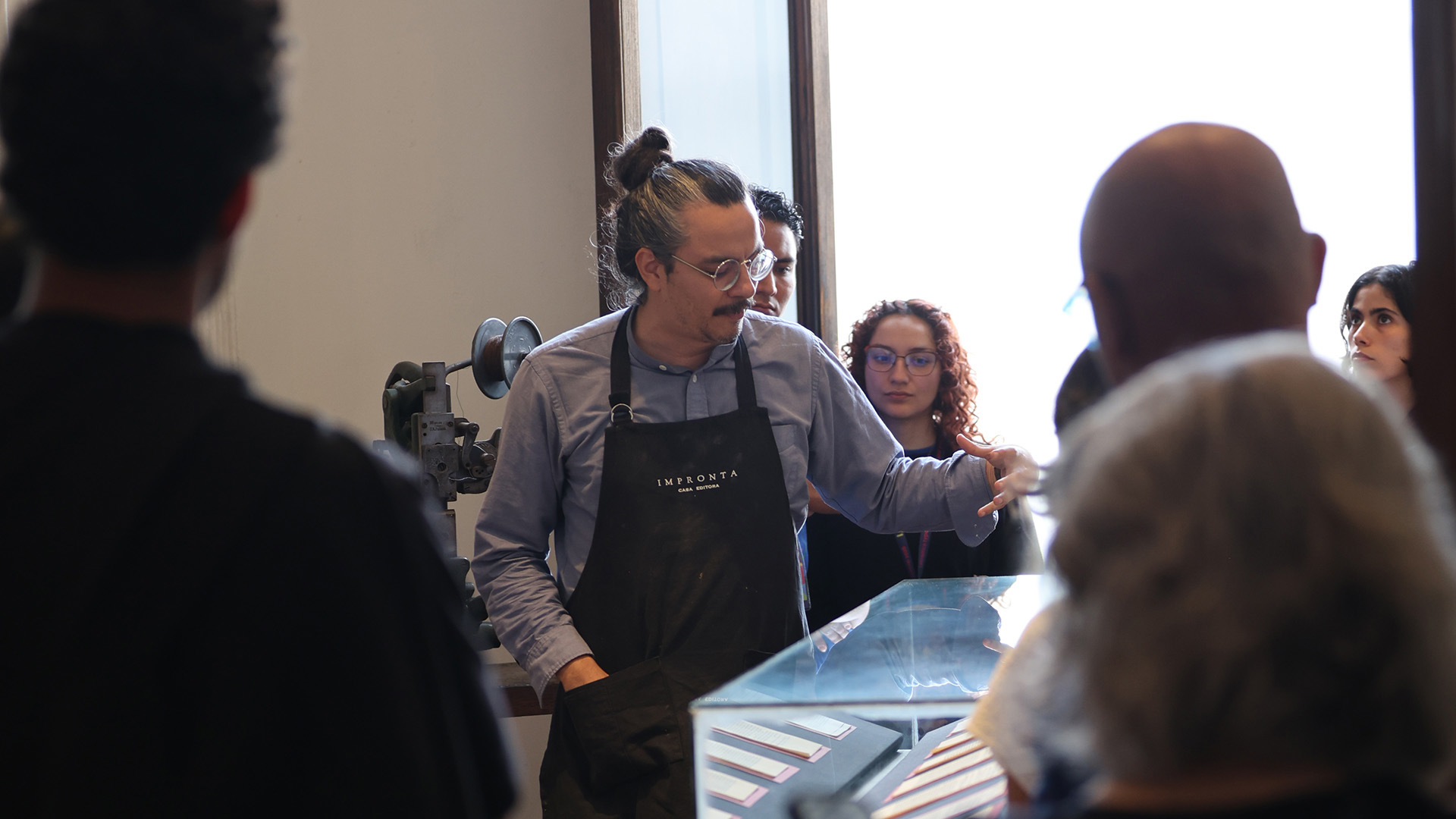 Carlos Armenta during the guided tour at MUPAG. Photo: Mau Noguerón.
At the Museum of Journalism and Graphic Arts, we hosted a conversation about typography, printing, and social movements, followed by a guided tour of the museum.
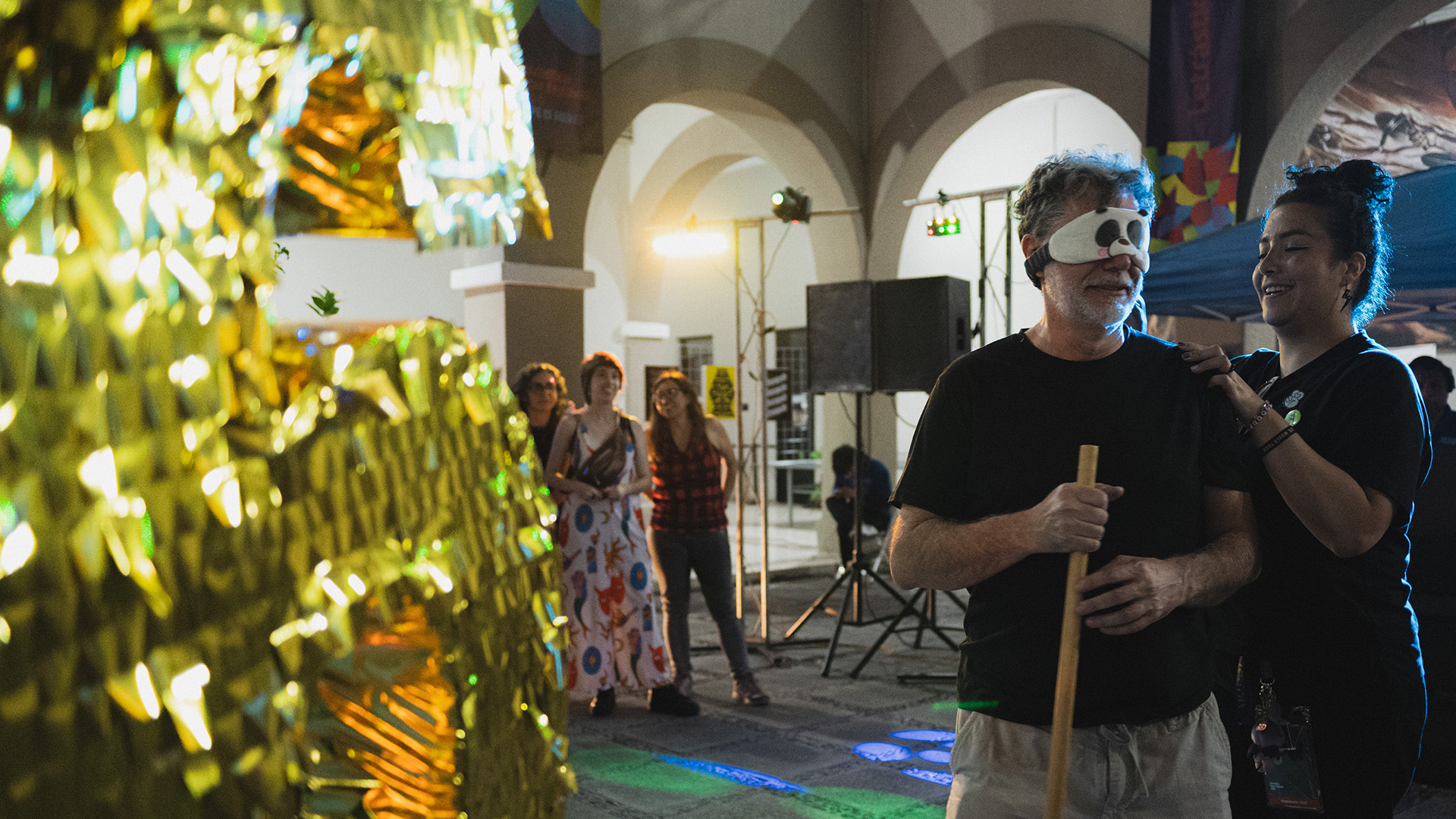 Alejandro Lo Celso about to break the piñata. Photo: Antar Castro.
And to say goodbye, we had one last gathering filled with music, tables covered in paper for drawing letters, a piñata, and a shared wish for the night to never end.
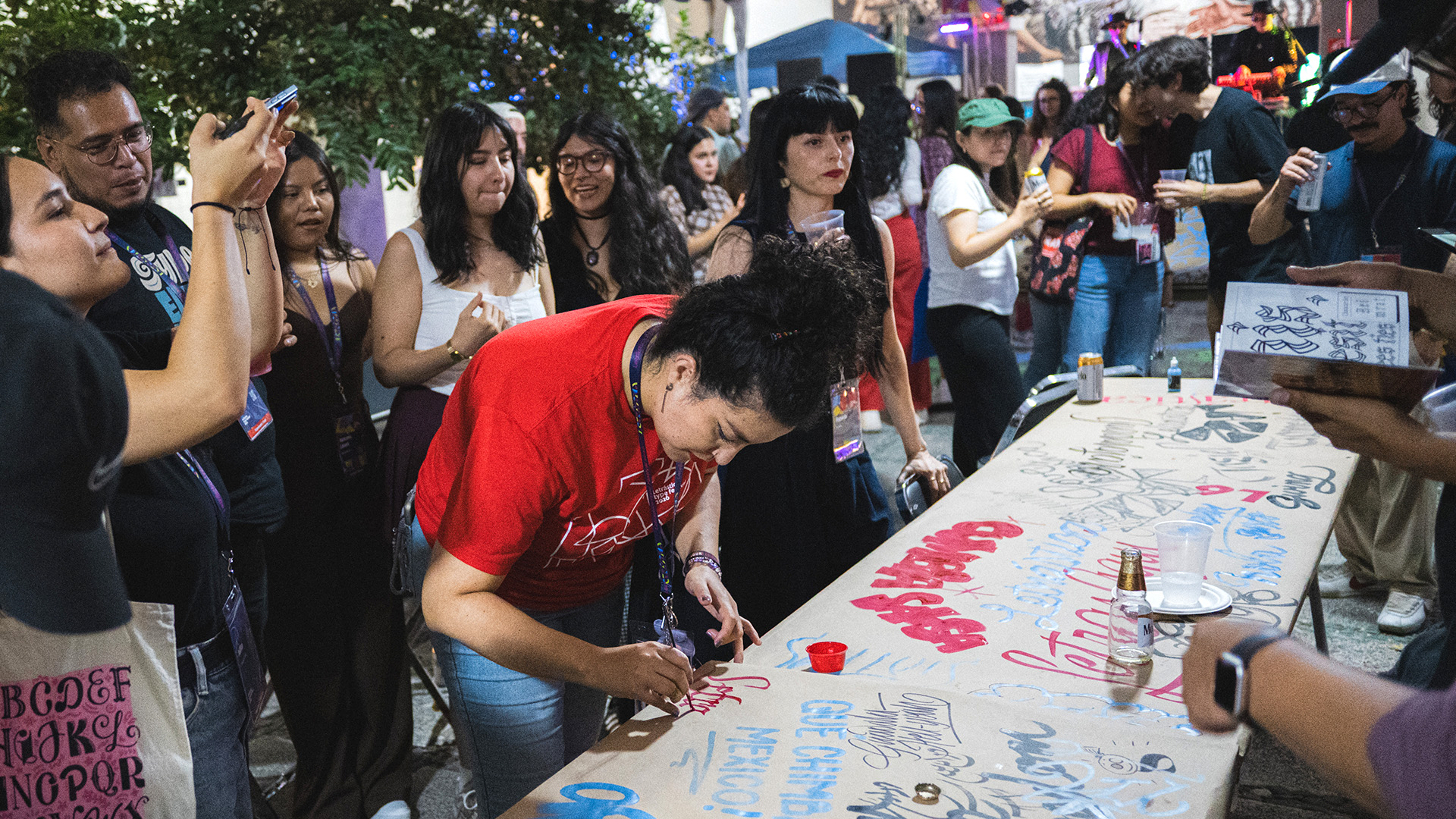 Adriana Garcidueñas drawing letters. Photo: Antar Castro.
It was wonderful to see people who had been complete strangers just a few days earlier saying goodbye with hugs and plans to meet again.
What We're Taking Away From This Edition
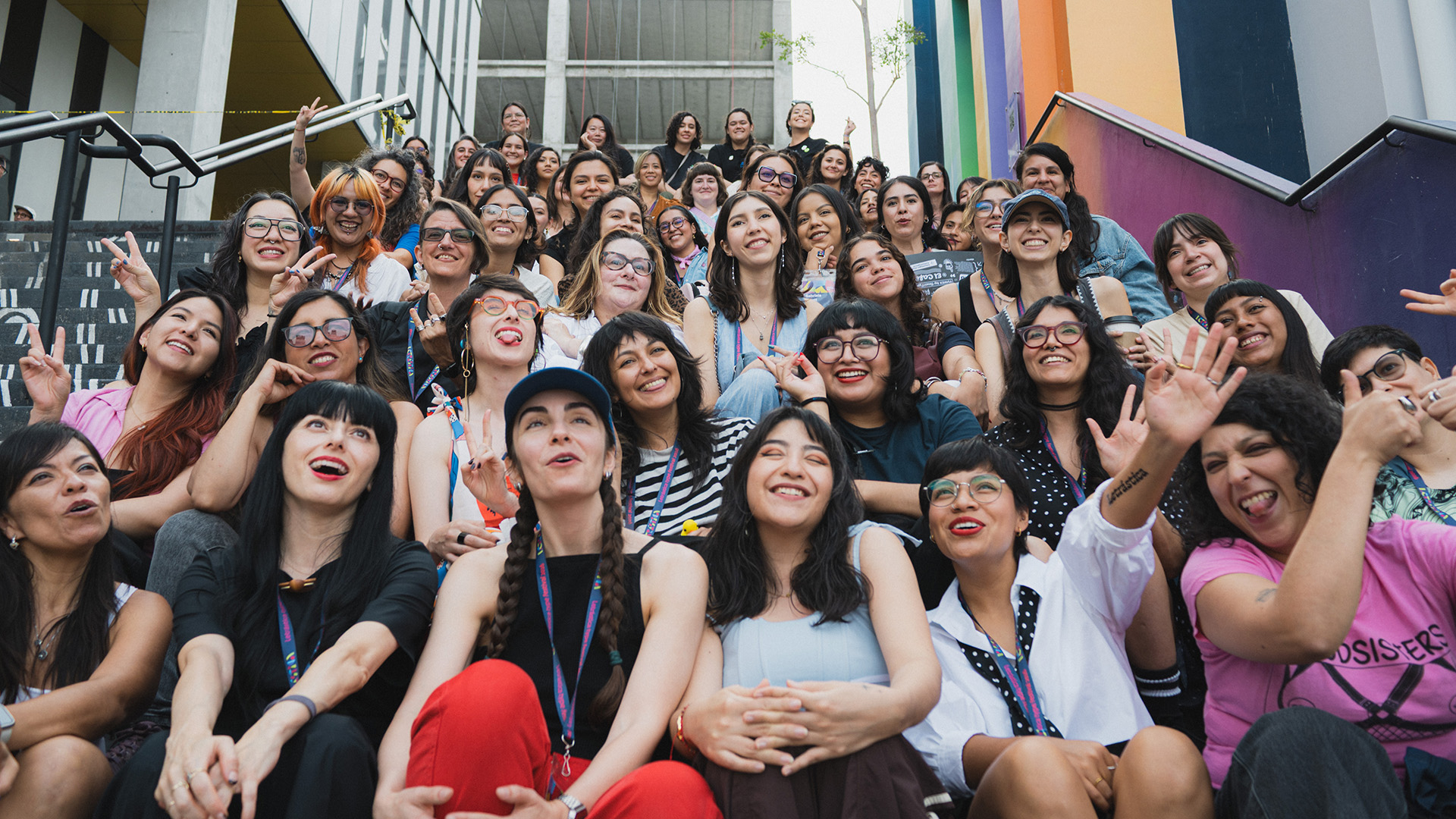 Women at Letrástica. Photo: Antar Castro.
Organizing Letrástica always involves a lot of work, months of preparation, and a fair amount of uncertainty. So much happens behind the scenes of every edition that few people ever get to see. But when the festival finally arrives and we see people enjoying themselves, learning, and making the space their own, it all makes sense.
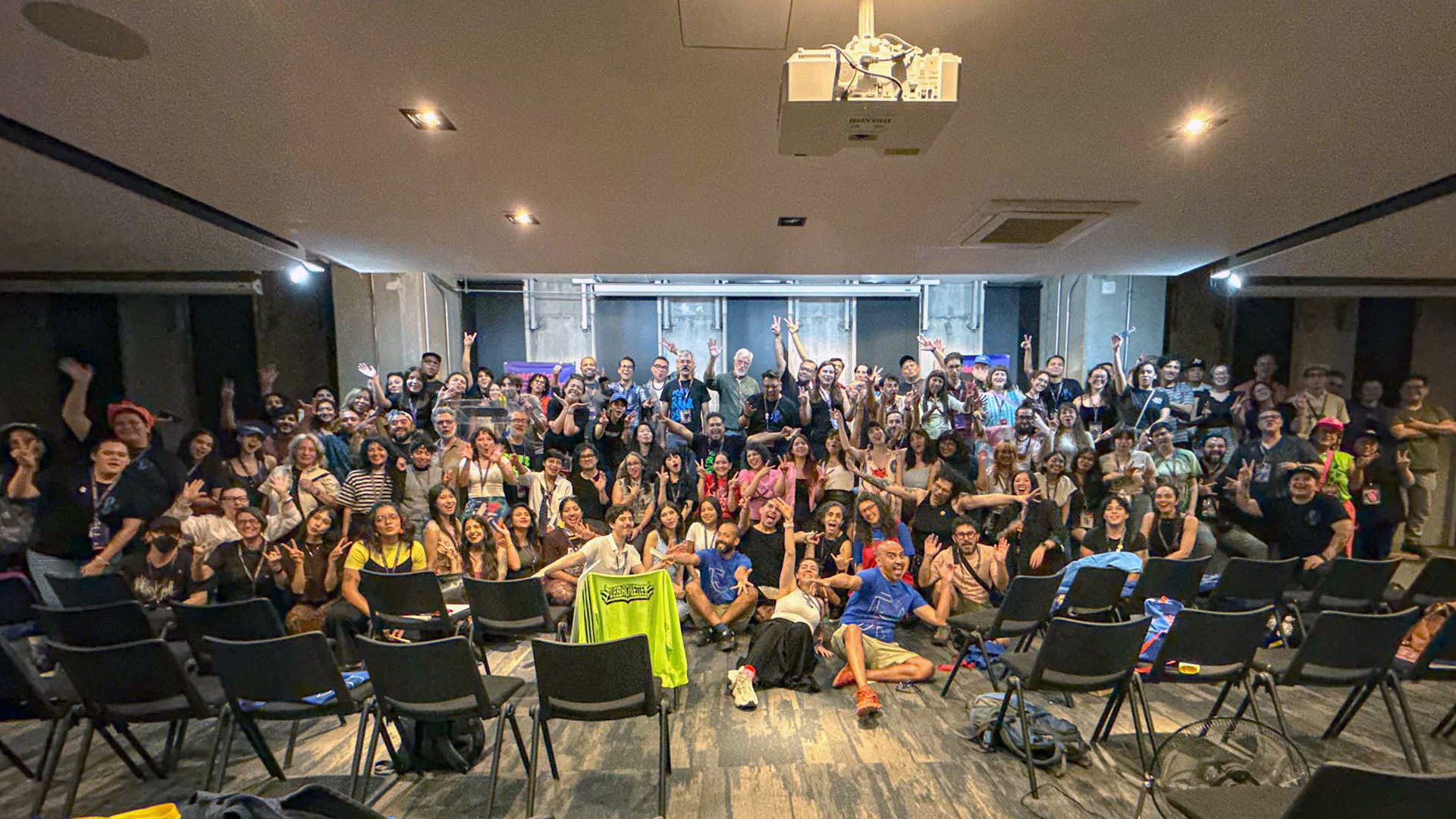 Group photo at the end of the conference program. Photo: Mau Noguerón.
Eleven years have passed since we started this project. During that time, Letrástica has changed, grown, and allowed us to meet extraordinary people. Still, there's something we want to preserve: the sense of closeness, generosity, and the opportunity to connect without so many barriers between students, professionals, educators, and people who are simply curious about letters.
This edition left us especially happy. We saw so many people enjoying themselves, making new friends, exchanging knowledge, and sharing this experience together. And while the numbers, talks, and activities matter, perhaps that's what excites us most about everything that happened.
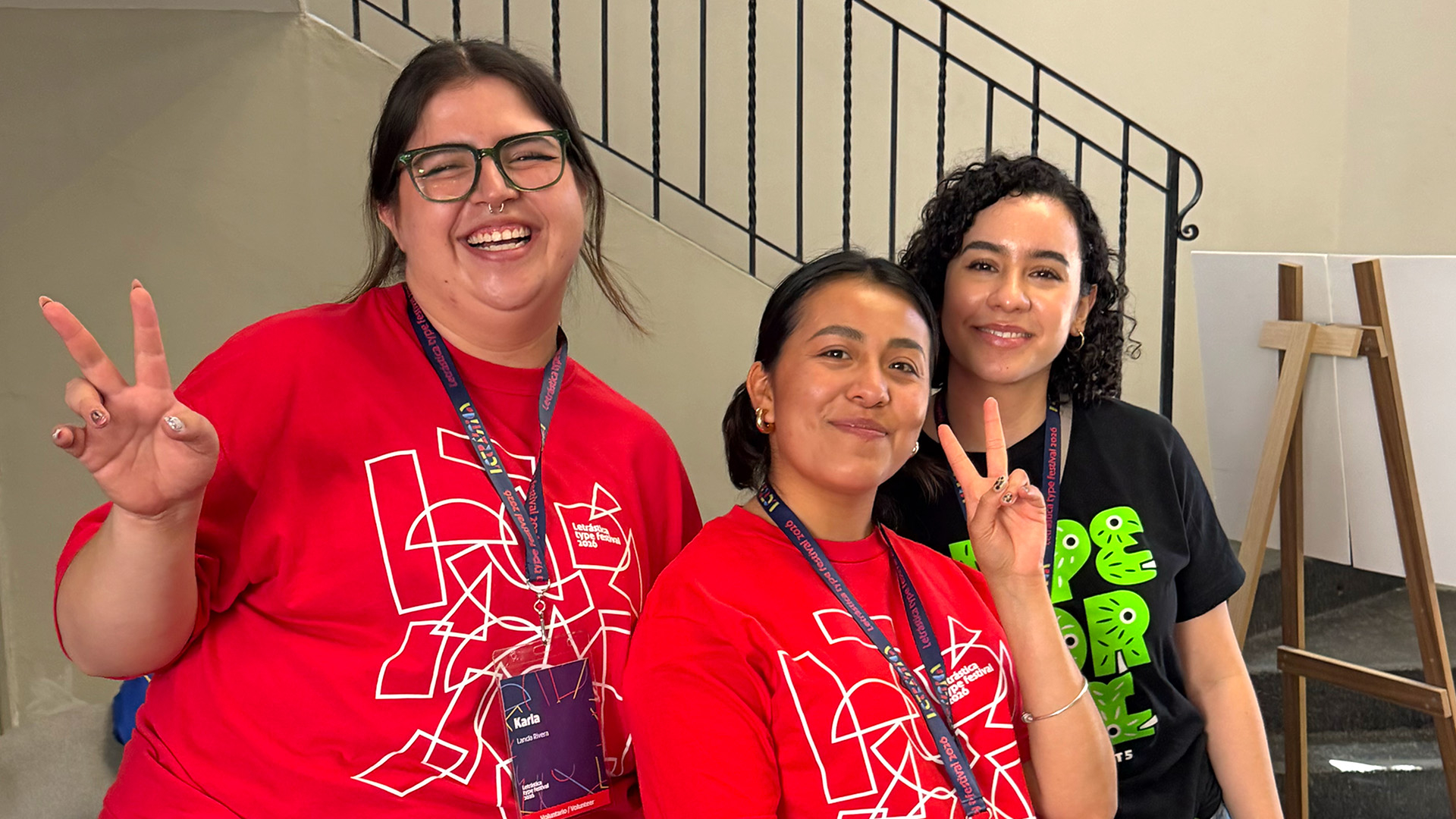 Karla, Xaret, and Estefanía at the registration desk. Photo: Gen Ramírez.
We want to express our deepest gratitude to everyone who made this edition possible: our organizing team, volunteers, speakers, workshop instructors, collaborators, host venues, institutional partners, and sponsors. Your enthusiasm, hard work, and generosity are what keep this project going.
And above all, thank you to those who traveled from afar, those who have been joining us for years, and those who decided to come for the first time. Every person brings something different to Letrástica and gives the festival a character we could never create on our own.
We're leaving this edition with new ideas, countless stories, and an enormous sense of gratitude. And with the satisfaction of knowing that we're still building something worth taking care of.
Thank you for four wonderful days. See you in 2028!
Type is here.